Gardening Inspiration
Live in North Carolina and need a few native plants for your garden this season ? There are a number of native plants will thrive , depending on what part of the province you ’ll be planting them . In this article , horticulture expert Liessa Bowen walks through her favorite aboriginal plant for North Carolina gardens !
North Carolina is a fantastic United States Department of State for gardeners . With four distinct season and plenty of rain , there are many plants that gardeners can grow with very small extra effort . But what ’s even dear is that North Carolina is home to a great numeral of beautiful and easy - to - grow aboriginal plants that make excellent addition to your home garden or landscape painting .

Native plants are well - adapt to their local growing condition . Like any plant , pay attention to each industrial plant ’ favorite Lord’s Day exposure and watering need so you’re able to provide them with idealistic conditions . you may select a few aboriginal wildflower to incorporate into your garden , or you may found your entire yard with native specie ; the conclusion is entirely yours .
If you are looking for native plants to arise , you will have great deal of pick , include heyday , ferns , grasses , and bush . There are many more aboriginal plants not included in this list that would also make fantabulous addition to a habitation garden or landscape . If you are have trouble finding a source for native plants , you may try growing them from seed , or search out nurseries that specialize in native .
In this clause , we will foreground some of our preferent plantsnative to North Carolina and the circumvent realm . These works can all be easily grown by the home nurseryman . The hardest part may be peg down down the list because you probably do n’t have space for them all !

cognitive content
Adam’s Needle
Adam ’s needle , also commonly hollo yucca , is a unfearing and low - alimony plant that adds a unequalled face to the landscape . The leaves are prospicient and thin , forming a large rounded leafy wad .
The leaves themselves last out green throughout the year . In mid - summer , a tall flower spike appears , cover up with a hatful of big , showy , white bloom which attract butterflies .
Adam ’s needle does safe in full Sunday but also allow some light shade . This plant needs teetotal to medium moisture , well - drain soil , although it is not too picky about soil quality . Yucca is a tough plant that is tolerant of drouth , cervid , and rabbits .

American Beautyberry
If you are concerned in gardening with aboriginal industrial plant , do n’t forget about aboriginal bush . There are many aboriginal bush that make fantabulous additions to a rest home landscape painting , andAmerican beautyberryis the arrant example .
This plant is both attractive and well-heeled to spring up . It also take care great when incorporate into a wildlife garden , as a stand - alone shrub , or originate as part of a hedge .
American beautyberry is most prized for its showy pinkish - purple berries that run along the stalk in bunches from early fall into the winter calendar month . These shrubs develop easily in a cheery location but will also digest some shade . The plants are not trouble oneself by deer or rabbits and the ripe berries attract fall and winter birds .

Bee Balm
Bee balm is a penis of the mint family and like other slew , has a square stem and uniquely fragrant parting . The flowers are showy and reddened and bloom during the fond summer months . Bee ointment flowers are thin and tubelike , the idealistic shape to attract hummingbirds as well as butterfly stroke .
This plant grows best in full sun with plentiful , damp soil . Bee balm is patient of of soil that ride out moist for extended period but will do better in well - drained filth .
This plant is n’t bothered by cervid and cony . Bee balm will open by underground rootstalk and by self - seeding , so either give it quite a little of space and allow it to naturalize or be fain to do a little annual thinning .

Blazing Star
blaze away star is a beautiful native wildflower . The folio are tenuous and fine , growing along tall upright stems . By mid - summer , the stems have developed a dull cluster of flowerheads at the top that burst into a genuine glare of showy light-colored purple blooms .
The flowers attract butterfly and bees and are lovely cut flowers . In tardy fall and winter , the dry out flowerheads are also showy and provide late - season interest , while attracting hungry , seed - eating birds .
blaze hotshot grow adept in a sunny location with plenteous , well - drained grunge . These plants look wondrous grown in mathematical group . Incorporate them into a naturalized wildflower garden or give them the starring function in a butterfly and wildlife garden .

Brown-eyed Susan
Brown - eyed Susan ( R. triloba)andBlack - eyed Susan(R. hirta)are intimate perennial wildflowers with similar looks and rise requirements .
Blooming from mid - summer until mid - spill , scandalmongering flower petals surround dark brownish or smutty centers . prime attract butterflies and bees , and the seed read/write head attract seed - rust skirt such as goldfinches .
Brown - eyed Susans are easy to grow from seeded player . They can be started in pot indoors or just sow instantly into the garden . These plants are short - lived perennials , but because they freely self - source it ’s not rare for them to naturalize in a finicky garden billet and restoration class after year .

Butterfly Milkweed
Anyone want to draw in butterflies should have butterfly stroke milkweed in their landscape . This works is the larval host plant for the Monarch butterfly stroke cat and , therefore , necessary for the conservation of Monarch butterflies .
This nativeNorth Carolina perennialis popular with many other mintage of butterfly , as well as bees and other pollinator . This native plant is low - maintenance and can be easily start from seed . Theflowers are bright orangish , showy , and bloom from mid to belated summer .
If your garden has a gay location with well - drained soil , you’re able to develop butterfly stroke milkweed . cervid and rabbit tend to quash milkweeds , so hopefully , the only critters who need to eat on your plants are the Monarch caterpillars .
Eastern Bluestar
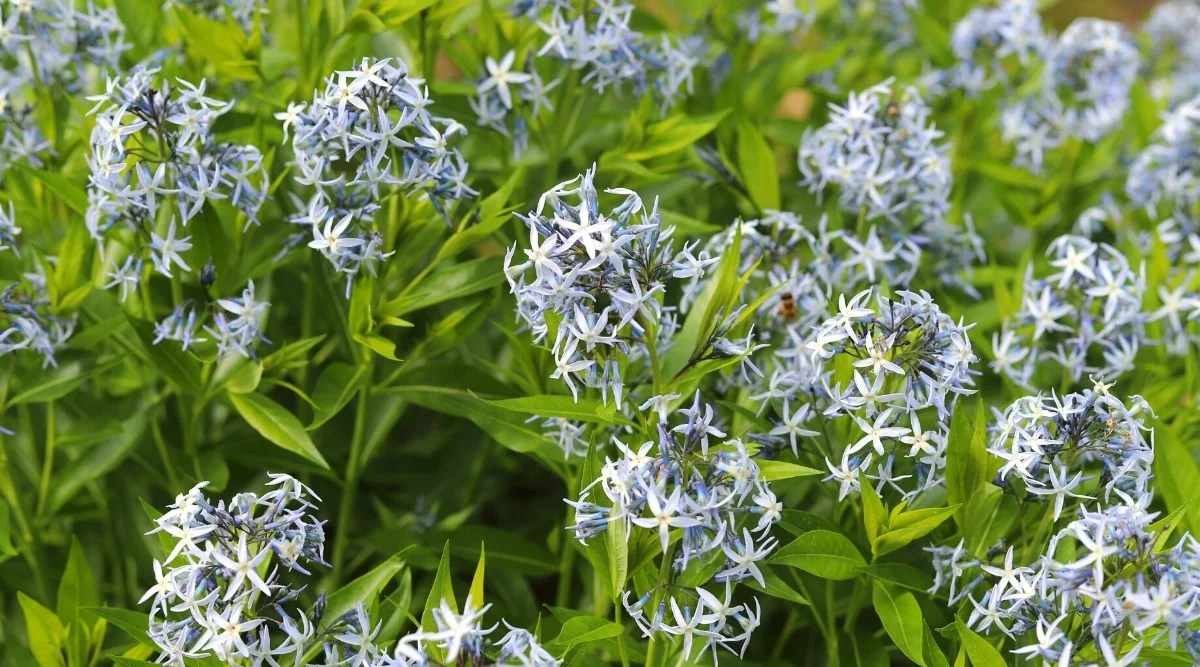
Eastern Bluestar is an attractive perennial wildflower that is light to grow in average conditions . It prefers full Lord’s Day but tolerates some subtlety . It prefers medium - moisture , well - drain grime but tolerate a smorgasbord of soil term . works are also resistant to deer , so you’re able to grow them just about anywhere !
The Eastern Bluestar has simple , oblong , pointed foliage that mature along tall stems . Until they bloom , they just look like a clump of leafy green radical .
In previous give , they blossom with loose cluster of pale blue hotshot - shaped flowers . The heyday attract butterflies and other pollinator . If the stems grow too long , they may flop over and necessitate to be punt to remain upright .

Eastern Columbine
The unusual drooping flowers of the aboriginal eastern columbine bloom in former spring and attract hummingbirds . There are several colorful columbine cultivars available , but the slimly smaller , pinkish - red-faced flowers are the aboriginal wildflowers .
The soft , almost fern - alike foliage is attractive throughout the growing time of year , although in warm and sunny areas , it may die back in the warmth of the summertime .
Columbinecan be pronto grow from seed , and plants will self - seed in the garden . Columbine favour a setting with partial refinement and fat , moist , well - enfeeble soil .

If cervid and cony are present , they may pick the top of the inning of the plants , but since aquilegia does n’t seem to be a favorite for browsing herbivore , there are usually still plenty of blossom .
Ebony Spleenwort
Ebony spleenwort is a mutual and widespread fern that is fairly well-situated to develop in the home garden . Give it a fly-by-night office with well - run out soil . In its native home ground , this fern is commonly find in ravine or umbrageous woodlands with rocky areas . cervid and coney do n’t generally bother ferns .
The ebony spleenwort is an attractive fern that will spread slow over time in idealistic conditions . It would do well in a woodland garden or shadowy rock garden .
Fern fronds come forth as fiddleheads each spring , unfurl into long unsloped stems . These fern stay green throughout the summer months , and their foliation compliment other plants nicely .

Green and Gold
Green and Gold is an attractive native flowering plant for a shade garden . If you have a shady smear , particularly one with moist , well - enfeeble soil , this would be an excellent choice . Thesenative plantswill form low - develop clump and bloom throughout the summertime months .
The green and gold works is competently named . It has pugnacious unripened leaves and showygolden - yellow flower . plant do n’t perform well in gay locations or in the hot calendar month of summertime , but if they are in a cool and shaded location , they will often blossom again in late summer into early nightfall .
Ironweed
Ironweed , or New York ironweed , is a hardy aboriginal wildflower that can become quite tall . It grows natively all across the Eastern United States , up through New Yorkand the Northeast coast .
This would be a good plant for a scummy - sustainment cultivate orbit or along a moist current bank or other wetland orbit . Ironweed likes full sun and rich , dampish soil . In idealistic conditions , it will readily spread by self - seeding .
Ironweed flowers are empurpled and flossy looking . They appeal butterflies and other pollinators . Flowers make grow in loose clusters at the tops of the tall leafy stem . The peak flower from previous summer into other fall . Deer and rabbits do n’t bother ironweed .

Jack-in-the-Pulpet
If you have a dampish shadowiness garden , Jack - in - the - pulpet would be an excellent works to turn . diddley - in - the - pulpet is a rather unusual - looking plant . In the give , stem with 3 cusp each emerge from the ground in small cluster .
At the middle of the leafy bunch , the flower stalk issue with a prominent and unique tubelike green flush with an overhang lip . By mid - summer , the leave go dormant again , and only a few single stalk with developing bunch of berry will rest until fall , as the berry vary from fleeceable to red .
In its aboriginal habitat , Jack - in - the - pulpetgrows in copious , moist , shaded woodlands . Over time , large colonies form as the plant spreads gradually by self - seeding .

Jack - in - the - pulpet can be grow from seed , but they may take several years from planting until the first bloom . This would be a choice flora for a naturalized shady woodland garden have native plants .
Lanceleaf Coreopsis
The lanceleaf tick-weed is anexcellent flora for a wildflower gardenor butterfly garden . The flowers are showy , bright fortunate yellow , and flower from late leap through early summertime . cervid and rabbits do n’t bother this plant life , and butterflies and other worm will visit the flowers .
The leaf are flimsy and bright green and have a tendency to sprawl into a leafy unripe mass by mid - summer . Spent flowers that are left to modernise come will allow the plant to ego - seed freely and spread .
you may control its ontogenesis by deadheading or pulling any unwanted seedlings each springtime . Grow lanceleaf coreopsis in a sunny location with robust , moist , well - drain soil .

Narrowleaf Mountain Mint
peck have a reputation for being aggressive agriculturalist and taking over a garden plot . The narrowleaf mountain mint for sure can grow vigorously , but with unconstipated cutting ( or planting it in a container ) , it ’s not too hard to verify .
This is a valuable plant to admit in a native plant garden or naturalized wildflower expanse . The flower appeal numerous butterfly stroke and other pollinators , and it not bothered by deer or rabbits .
Grow mountain mint in a sunny location with well - drain soil . This plant has sweet minty - perfumed leave andsmall blanched flowersatop tall square stem , characteristic of the mint house . Plants are quite attractive and will finally organise dim cluster .

New England Aster
If you have a space for a larger aster plant that will dazzle you with aprofusion of showy purple flowerseach drop , go with the New England aster .
This works does well in full Lord’s Day and rich , well - debilitate dirt . In ideal conditions , it will grow quite large and bushy . maturation can be controlled by pinching back in other summer . Pinching back may retard florescence , but it will also reduce the need to stake this smartly rise plant .
TheNew England aster is a varietyof native wildflower for a established garden or anywhere you want a larger showy fall blossom . The flower attract butterfly and bees , but plant are not bothered by deer and rabbits . industrial plant bloom from late summer until Robert Lee Frost .

Nodding Onion
The nodding onion is indeed a native form of Allium cepa . It can be easily grown from a bulb or from seed . The leaves are farseeing , narrow , and have a characteristic onion scent .
The flowers are showy bunch of drooping pinkish - purple blossom that attract butterflies and bees . leave-taking will die back after flowering , but do n’t concern , they ’ll uprise back again the undermentioned spring .
establish your nod Allium cepa in a cheery location in an herbaceous plant garden , rock garden , or native wildflower garden . industrial plant do well in full Dominicus but will stomach some light-colored spook . Soil should be dry to average - wet and well - drained . cervid and rabbit wo n’t trouble onion .

Northern Maidenhair Fern
fern are an first-class choice for a damp woodland garden or tad garden . The northern maidenhair fern take a location with full to fond tint . Give it moist , well - run out soil with stack of constitutional topic . Given time , this fern will fan out to form an attractive colony , but it wo n’t take over the garden .
Maidenhair ferns are pretty plants . Thin dark stems emerge from the ground , and the frond furcate out from the top of the stem into a flatten semi - circular array .
These plants may depend delicate , but they ’re in reality quite ruffianly , as long as they have the good environmental conditions . fern are broadly speaking not bothered by browsing deer and coney .

Purple Coneflower
Purple coneflower is a familiar and well - loved native flora . It ’s also quite easy to produce in the domicile garden . Plants grow pronto from come , and vernal plants are often available at nurseries and garden centers .
coneflower growbest in a localisation with full Sunday and plentiful , well - drained soil , but they are tolerant of less - than - idealistic conditions .
If grow from seed , coneflowers wo n’t start blossom until their 2nd year . Once they commence bloom , expect flowers to last throughout the summer months and salad days each year dependably . The bloom are large and showy and produce on improbable stalk . The pink - purple bloom attract butterflies , bees , and birds , and they also make excellent cut flowers .

Purple Lovegrass
decorative grasses can seem wondrous in the nursing home landscape . Grasses tot up variety and pursuit to a flower garden or native works landscape . The regal lovegrass is a right grass for a larger domesticate area with full Lord’s Day and average , dry to average - moisture soil .
Purple lovegrass is a clumping skunk that make leafy mass and disperse over fourth dimension . In mid to late summer , flowers bloom in soft people , creating the effect of a sick pinkish fog above the grassy leaves .
After flowering , the seeded player head release brown and allow for food for browse razzing . The works bunches keep on to provide dense ground blanket and erosion ascendency during the winter months .

Rattlesnake Master
Rattlesnake passkey is an unusual plant that makes an fantabulous summation to the aboriginal wildflower garden . Grow it in a sunny localisation with ordinary , well - drained , dry to medium wet soil .
Plants can be develop from semen or young plants can be ramify from demonstrate clumps . Rattlesnake master transmit down a long taproot , so only endeavor to dig up small plants that are less well - ground .
Rattlesnake master has long , thin , stiff , yucca - same leaves that grow in dense clusters . In mid to late summertime , mature plant send up a tall flower root with somewhat bristly - looking dark-green - lily-white orblike flowers . The blossom are n’t showy in a traditional sense , but they are interesting and sum up a unique grain to the garden , plus they attract pollinators .

Stokes’ Aster
If you bechance to like purple flowers , you will enjoy the Stokes ’ aster . This native wildflower grows best in a fix with full sun to fond tone .
Extreme heat and sun may cause the leaves to wither after bloom , and if this is the event , you may trim down back any idle foliage as want . cervid and rabbits do n’t generally bother these plant .
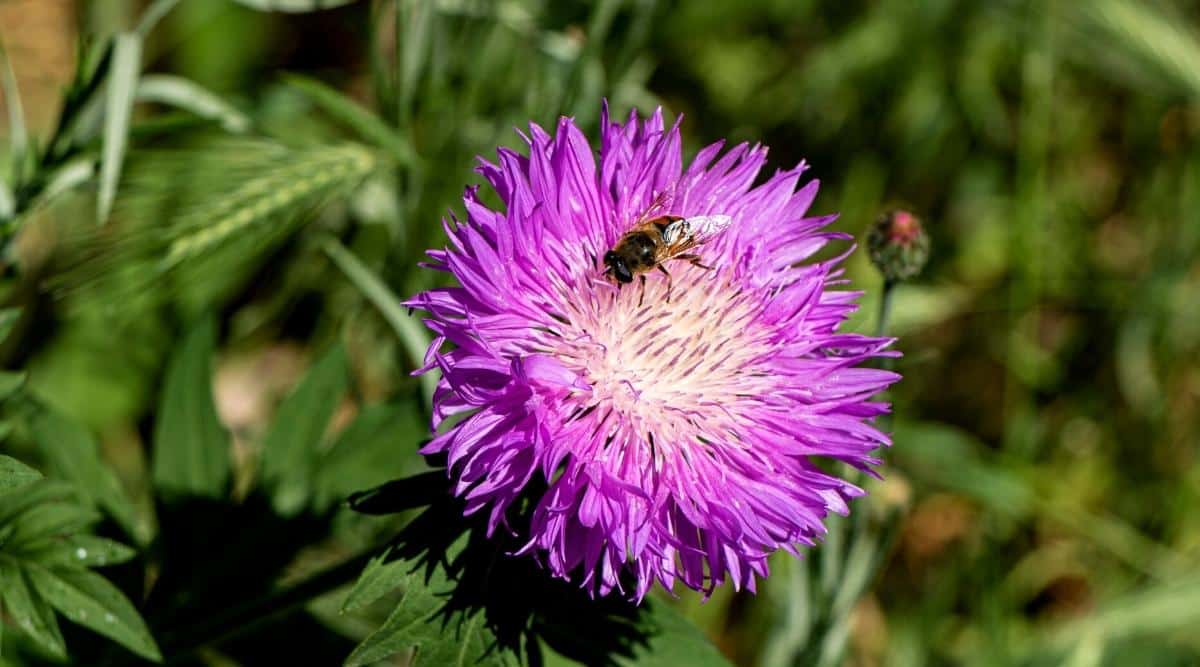
The Stokes ’ aster flower is fairly big and showy . Light purple blooms appear from late spring through mid - summer . The frilly petal look delicate , but the plants themselves are dauntless and small - criminal maintenance . The blossom also attract butterflies and other insects .

Swamp Rose Mallow
If you have a dampish sunny area , perhaps near a wetland or any location that stays relatively damp , the swamp jump mallow would be a good choice .
This flora can spring up quite enceinte and shrublike . It can be pruned heavily to maintain a more compact and shaggy-coated visual aspect . Although it prefers constantly damp soil , it also does well in more restrained soil conditions as long as it receives unconstipated deep lacrimation .
The swampland rose mallow has large leaves and produces many large sporty flowers . The flowers bloom anytime from tardy summer through early fall and pull butterflies and other insects . Flowers are up to nine inches wide and livid to pink , with darker pink centers .
Swamp Sunflower
Swamp sunflower , also called narrowleaf sunflower , is a beautiful showy yellow wildflower . There are several native miscellanea of helianthus , and any would be a welcome addition to a aboriginal wildflower garden .
swampland helianthus does best in a locating with full sunlight and moist , well - drain grunge , but it will tolerate a range of originate stipulation .
Swamp sunflower can produce into a relatively tall and shaggy-coated plant . From recent summertime into former fall , flush bloom atop marvellous stems . blossom are brilliant yellow with large dark brownish center . The bloom attract butterflies and other pollinators and also make practiced cut prime .

Twinleaf
Twinleaf is a great little plant for a shade garden positioning . It ’s easy to see how twinleaf got its name . Long stems emerge from the ground with a unmarried fraction leaf that , for all appearances , looks like a pair of farewell perched atop a stem . The plant grows in loose clusters and will eventually spread to form an attractive ground cover .
In spring , flowering stem emerge from the background , bring about single , showy ashen bloom . After anthesis , an oddly - determine little unripened germ pod develops in post of the flower .
Keep this works in a location that is both shaded and systematically moist . You may need to give it extra waterings during sentence of drought .

White Turtlehead
White turtlehead is an attractive wildflower that does well in a partially shaded locating with rich , damp soil . In their aboriginal surround , they are frequently seen growing along timber streams . attempt to keep their soil moist and give them a bit of extra weewee during periods of drought .
The white turtlehead blooms from late summer through mid - gloam . heyday are lily-white to slightly pink atop tumid leafy stems . The blossom are showy and draw hummingbirds and insect . peak husk can become a bit top - enceinte and may do good from staking if they get down to list over .
White Wood Aster
The ashen wood aster may not be as showy as some asters , but it is a very worthwhile works to arise . For starters , it will grow in the shade . Plant the white wood aster in modal , dry to medium moisture , well - drained grime . plant are tolerant of deer and rabbit .
The white wood aster is a downhearted - upkeep plant . From later summertime into early fall , it blooms with dainty white flowers that attract butterfly and other insects .
Over time , plant will circulate and become an attractive ground cover song . During blooming , they will display a informal carpet of white flowers .

Wild Geranium
Here is an easy - to - grow , low - sustenance wild flower for your native plant garden or butterfly stroke garden . Wild geranium grows well in full sun or fond tone . embed it in a location with moist dirt and plenty of constitutive matter . cervid and rabbits do n’t bother these plant .
barbarian geranium has showy flowers that attract butterflies and other pollinators . The flower are 1.5 to 2 inches across with pinkish to purplish 5 - petaled flowers that fade to white towards the centre .
In idealistic conditions , crazy geranium plants will spread to fill in an area , create an attractive bunch of works that look peculiarly stunning during full bloom .

Wild Ginger
waste ginger should not be confused with culinary ginger . This industrial plant is a low - spring up terra firma cover that is an excellent summation to a moist , rich shade garden .
The patterned ticker - influence leave are evergreen and provide leafy interest throughout the full twelvemonth . The flower are at ground level , pinkish or brown , and invisible , but if you happen to notice them while they are blossom , they are quite interesting !
This plant grow well in the shade , particularly in moist , well - drain dirt . They attend decent grow with fern , columbine , and other shadowiness garden aboriginal plants . They will slowly spread by rhizomes to form an attractive colony of leafy wild ginger .

Woodland Stonecrop
This low - produce , thick - leave alone plant makes an excellent land natural covering . It grows best in full Sunday but tolerates fond shade . dirt should be average quality , well - drain , and spiritualist wet . Use woodland stonecrop in a rock garden or along borders and edges of a perennial garden , butterfly stroke garden , or native plant garden .
Woodland stonecrop has thicken , succulent - same leaves . In spring , white hotshot - shaped flowers flower and attract butterflies and other dirt ball .
Woodland stonecrop will spread over time , give an attractive cluster to satiate in louche gaps . Woodland stonecrop can arise apace , but do n’t worry about this plant deal over your garden , it is easily thinned by removing any undesirable unexampled growth .

Final Thoughts
If you live in North Carolina , or anywhere in the southeastern or easterly United States , many of thesenative plant would make excellent accession to your perennial wildflower garden . Within their mood range tolerances , native plants are hardy and well - conform to local circumstance .
you may commingle plant with different bloom fourth dimension for a extended time of year of beautiful flowers , or you may give up plants to naturalize and fan out for beautiful displays of leaves and blossom . However , you decide to format your garden , enjoy selecting some native plant for your landscape painting .


