When planning a garden , it ’s crucial to empathise the concept of growing zone .
Also known as USDA Plant Hardiness Zones , these zones provide worthful selective information on which industrial plant will thrive in your part , ensuring the winner of your gardening attempt .
This comprehensive guide will bring in you to the USDA Plant Hardiness Zones and how to employ them to cultivate a flourishing garden .

Understanding USDA Plant Hardiness Zones:
TheUSDA Plant Hardiness Zone Mapis a valuable resourcefulness for gardeners and horticulturists . It divide North America into 13 zona based on average annual minimum wintertime temperature .
Each zone is 10 ° F ( 5.6 ° C ) heater or colder than the conterminous zone , with Zone 1 being the dusty and Zone 13 the warm .
The zones are further divided into " a " and " b " sub - zones to provide even more precise temperature data , but for this clause , we will reckon at the canonical 13 zones .

Using the USDA Plant Hardiness Zone Map
Find your zone
To settle your planting zone , visit theUSDA websiteand enter your nothing codification . Your zone will bring home the bacon you with essential info on which plant are most likely to thrive in your area .
Choose appropriate plants
After identify your zone , quality plant life that are well - suited to your neighborhood ’s climate . turn over factors such as sun , soil type , and moisture levels .
Plant at the right time
The planting zone single-valued function can also help you find out the optimal time to embed , as it provides information on the last medium frost date in saltation and the first average rime engagement in fall .
This info countenance you to select the best sentence to establish your garden to secure your industrial plant have enough time to grow and suppurate before cold conditions hardening in .
Adapt to microclimates
Keep in mind that even within a individual geographical zone , there may be microclimates or variations in temperature and weather conditions .
Factors such as height , proximity to body of piss , and urban heat island can make microclimates that may affect works increase . Be observant and adjust your planting strategies accordingly .
A Closer Look at the Zones
Here ’s a brief overview of the 13 USDA Plant Hardiness Zones and the type of plant that thrive in each zone :
Zone 1
With average minimum winter temperature below -50 ° F ( -45.6 ° C ) , Zone 1 is the coldest region . Hardy plant like lichens , mosses , and some conifers can survive these extreme weather .
Zone 2
With minimum temperature between -50 ° F and -40 ° F ( -45.6 ° C and -40 ° C ) , Zone 2 demand hardy , cold - tolerant works like aspen , spruce , and juniper .
Zone 3
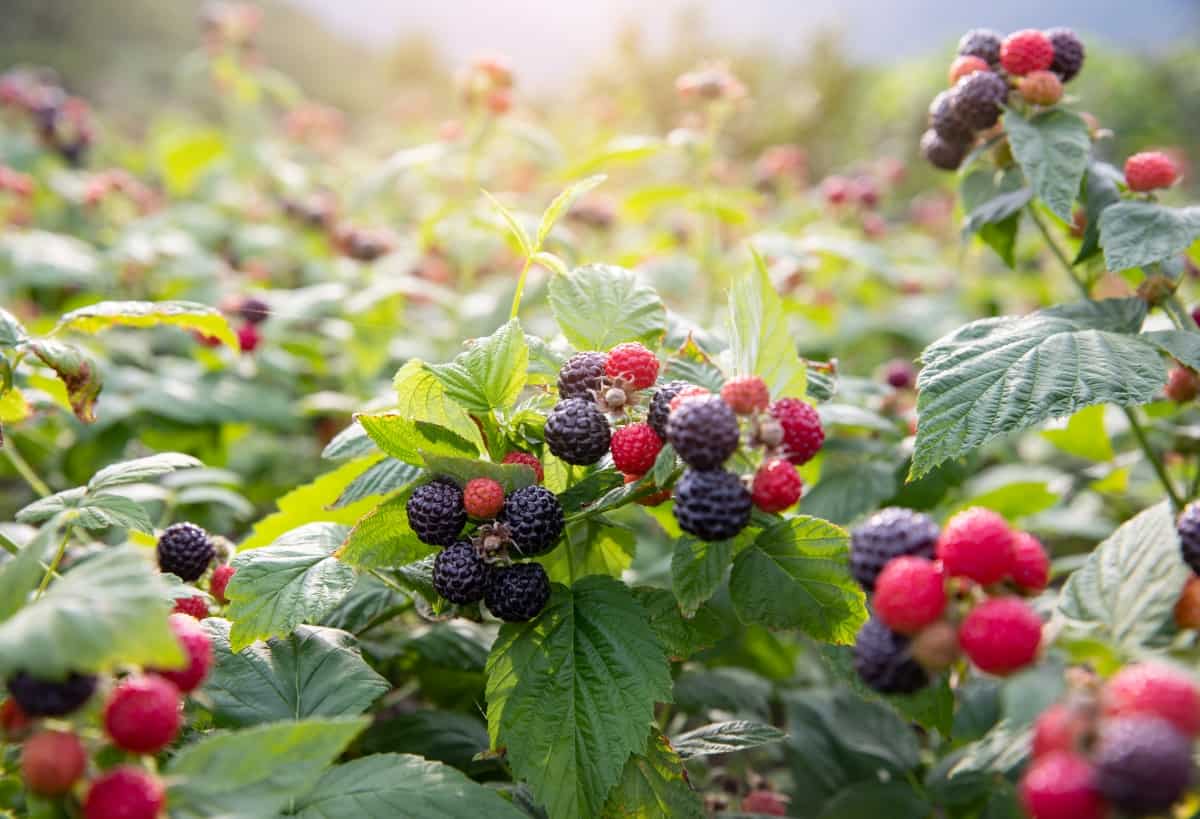
In Zone 3 , minimal temperature range from -40 ° F to -30 ° F ( -40 ° snow to -34.4 ° speed of light ) . plant like raspberry bush , rhubarb , and sure apple varieties thrive in this zone .
Zone 4
With minimum temperatures between -30 ° F and -20 ° F ( -34.4 ° C and -28.9 ° C ) , Zone 4 supports plants like cherry , plum , and many eccentric of hardy perennials .
Zone 5
In Zone 5 , minimum temperatures range from -20 ° F to -10 ° F ( -28.9 ° century to -23.3 ° C ) . Plants such as crab apple , peonies , and daylilies can thrive here .
Zone 6
With minimum temperatures between -10 ° F and 0 ° F ( -23.3 ° C and -17.8 ° C ) , Zone 6 is suitable for plants like Nipponese maples , roses , and many types of vegetable .
Zone 7
In Zone 7 , minimal temperatures range from 0 ° F to 10 ° F ( -17.8 ° C to -12.2 ° C ) . This zone is idealistic for growing plants like figs , hydrangeas , and crape myrtle .
Zone 8
With minimum temperature between 10 ° fluorine and 20 ° F ( -12.2 ° C and -6.7 ° C ) , Zone 8 supports a encompassing stove of plants , including camellia , magnolia , and citrus Sir Herbert Beerbohm Tree .
Zone 9
In Zone 9 , minimum temperature range from 20 ° degree Fahrenheit to 30 ° F ( -6.7 ° C to -1.1 ° 100 ) . This geographical zone suits tropical and subtropical plants like bougainvillea , palms , and oleanders .
Zone 10
With minimum temperatures between 30 ° F and 40 ° F ( -1.1 ° C and 4.4 ° C ) , Zone 10 is idealistic for grow plants like hibiscus , avocado , and mango tree .
Zone 11
In Zone 11 , minimum temperatures range from 40 ° F to 50 ° F ( 4.4 ° coulomb to 10 ° C ) . This geographical zone supports many tropic plants like bananas , papaya , and orchid .
Zone 12
With minimum temperatures between 50 ° F and 60 ° F ( 10 ° C and 15.6 ° hundred ) , Zone 12 is suitable for a mixture of tropical and subtropic plants like coconut decoration , passionfruit , and plumeria .
Zone 13
In Zone 13 , the warm zone , minimum temperatures are above 60 ° F ( 15.6 ° C ) . This region sustain a all-inclusive cooking stove of tropic industrial plant like dasheen , breadfruit , and sugarcane .
“Zone In” to Success
Understanding the USDA Plant Hardiness Zones is crucial for the success of your garden .
By choosing industrial plant that are well - suited to your region ’s climate and planting them at the correct time , you could enjoy a thriving garden that showcases a form of beautiful and productive plant .
Take your gardening to novel pinnacle by exploring these extra articles :

Zone 4 Perennials For Wet Areas
Zone 5 Perennials That Bloom All Summer
12 Cold - Hardy vegetable For Zone 7

in effect Avocado Trees For Zone 8
21 Gorgeous Shade Perennials For Zone 3