Home»Garden»Fruit & Trees
Last update on August 9 , 2023
Pineapple guava is one of our top favorite fruits to grow ! So much so , we now have three of them in our garden . Even if you ’ve never adjudicate the fruit itself , I highly suggest give the flora a grow ! Pineapple guava are low - maintenance , pest - resistant , and easy to prepare either as a shrub or tree . The beautiful silver gray - gullible foliage is full and evergreen , reach it an excellent privacy screen as well . Last but not least , you ’ll be blessed with delicious feijoa fruit to enjoy . What ’s not to roll in the hay ?

Read along to learn how to grow ananas strawberry guava , also know as feijoa ( fey - oh - uh ) . This article will cover the ideal conditions and hardiness zones to grow feijoa , along with general characteristic , wind for planting , pollination , ongoing maintenance , harvest sentence , and more ! Finally , we ’ll sing about a few different pineapple guava diverseness to prefer from .
What is Pineapple Guava (Feijoa)?
Pineapple guava ( Acca sellowiana ) are native to South America , namely southern Brazil , Paraguay , Uruguay , and parts of Argentina . Despite the name and tropical - toned flavor , pineapple Psidium littorale is n’t actually a true guava at all ! Both are member of theMyrtle plant syndicate , but feijoa is a bare distant full cousin of tropical true guava – and favor subtropical weather condition to boom . In fact , pineapple plant guava is arguably one of the most cold - hardy types of guavas you’re able to rise – live even temperaturesdown to 15 ° F ! It is now regularly cultivated in many areas of the United States , Mexico , Europe , and is exceedingly popular in New Zealand and Australia .
What do pineapple guava taste like?
You ’ll have to rise them to find out!Just kidding . Feijoa has a alone flavor that is both extremely odoriferous and slightly tart . It is reminiscent ofpineapple , banana , kiwi vine , and guavaall at once – with a wind of piney mango , mint , and even bubblegum ! fundamentally , they ’re delicious . Even better , pineapple plant guava fruits are fat in vitamin carbon , roughage , antioxidants , and bacillus - vitamins .
Would you like to save this?
We ’ll email this Charles William Post to you , so you’re able to occur back to it later !
I agree to receive email update .
PINEAPPLE GUAVA GROWTH HABITS & CHARACTERISTICS
Size & Growth Rate
Pineapple guava can grow up of12 to 15 feettall and wide as a large shrub . When pruned into a Sir Herbert Beerbohm Tree - similar structure ( one or few main trunks with the understory pruned ) , feijoa can become upwards of 20 feet or taller over time ! Yet pineapple guava takes kindly to just about any form ofpruning , so you could easily keep them more summary , slender , or scant as want .
While they can eventually get quite large , pineapple plant guava are generallyslow - grow . We have one feijoa bush that has been in the ground for over 5 years and is just now make 6 metrical unit grandiloquent . This can be seen as a pro or a con , depending on what your goal is .
Foliage
Pineapple guava shrubs areevergreen , with silverish grey - dark-green , ellipse , thick leaves . Combined with their handsome structure , appearance , and easygoing nature , they ’re a popular plant for ornamental landscaping and privateness – yield aside ! Untamed , they raise with several branching stems from the root word .
Can you grow pineapple guava in a container?
Yes ! Their slow - spring up nature and lenience for pruning also makes Ananas comosus guava verycontainer - friendly . As with all potted plant , the size of the container will dictate the sizing and vigor of the industrial plant . opt a turgid container with ample drainage hole and high - tone potting soil to promote healthy increase . Truthfully , our feijoa bush shrub grow directly in the primer coat produce dear quality fruit – though we probably do n’t fertilize the one in the half wine drum as much as we should either ! We ’ll utter more about fertilizing pineapple guava below .
Flowers
Pineapple guava flora blossom prolifically in the saltation , dot the green shrubs with spectacular sweet - smell flower . The bloom are white and pink with red firework - like centers , and the livid petal ( sepal ) around the exterior of the flower areedibleand delicious ! They fade in your sass much like cotton candy and marshmallow combined . Birds and bee are extremely attracted to the flower , and help to pollenate as they visit . The wild birds in our yard love to corrode the eatable flower petals too .
Do pineapple guava need a second plant for cross-pollination?
The response is : it depends . While the bulk of Ananas comosus true guava miscellany are considered ‘ ego - fruitful ’ , they do n’t readily cross-pollinate themselves . Cross - pollenation from a partner plant will greatly increase yield development . So if ample fruit is what you ’re after , plant life at least two shrubsnear one another ( stuffy by is best , but in the same oecumenical yard outer space should do the trick ) . That is , unless you opt for a knownself - prolific variety . Coolidge , Pineapple Gem , and Apollo are three grafted self - fertile pineapple yellow cattley guava varieties that can easily bear fruit without a partner plant .
raspberry and bee are the principal lifelike pollinators of pineapple guava , but you’re able to also get involved too!Hand - pollinationcan be the most guaranteed way to get a unspoiled harvest of Psidium guajava . We get plenty of yield without hand - pollenate our plants , yet it is really gentle to do if needed ! Simply use a small brush ( for instance paintbrush or makeup brush ) to collect pollen from the flowers on one industrial plant , and then go sweep it onto the flowers of the other plant . Continue this back and off between the two plants ( or more ) .
Fruit Development
IDEAL GROWING CONDITIONS
Cultivation & Propagation
you may grow ananas guava from seed , a film editing , or a minor bush from a baby’s room or on-line retail merchant . Starting fromseedwill distinctly take the longest to mature . I have also hear some ejaculate may not bear yield ‘ true to seed ’ .
To diffuse Ananas comosus guava , take an or so 12 - inch long widecuttingfrom young softwood branches near the bottom of the shrub . The chosencuttingshould be no thicker than 1/4 - column inch in diameter , be somewhat pliable , have at least 3 nodes , and a few leaf at the top of the base . Dip the impertinently cut end inrooting hormone solution , and then plant it in a light fluffy soil intermixture – such as seed commence mixture , or peat moss mixed with sand and sawdust .
The most surefire way to successfully grow pineapple true guava is from a young graftednursery plant . If you read the rest of this article and decide to grow feijoa at home plate ( swell choice ! ) , I suggest give your local nursery a call to see if they carry them . If not , enquire if they ’re able to bring one ( or two ) in on particular social club for you ! They should also ( hopefully ) provide brainwave on what variety do best in you orbit .

Feijoa Growing Zones
Pineapple guava thrive in temperate subtropical area or lovesome , dry Mediterranean clime . However , they ’re quiteadaptableand can deal with both extreme heat and moth-eaten in the proper conditions .
Most resources say that pineapple Psidium littorale grows best inUSDA hardiness zones 8 – 11 . However , my friend has a prosperous feijoa spring up in Tennessee ’s zone 7 ! ( Edit : Since posting this , I ’ve try from another Insta - protagonist who grows Nazemetz pineapple guava in Kentucky zone 6b . Read more about how she get out it off in the ‘ planting location ’ section below ) . Feijoa does exceedingly well in California , the Pacific Northwest , Florida , Texas , and more . Pineapple guava is also an splendid choice for coastal zone because it tolerate piquant atomiser and mildly saline solution soils .
Differentvarietiesof pineapple guava are more or less tolerant to high heat or freezing conditions , so choose one that is known to grow well in your mood . Check out the leaning of varieties near the end of this article !

Temperature & Sun Exposure
In worldwide , feijoa will bemosthappy in full sun , in area where average summer temperature arebelow 90 ° Fand winter temperatures areabove 15 ° F .
Prolonged periods below 15 ° fluorine can kill them , but otherwise this is an impressively frigid - tolerant guava bush ! While the plant themselves are quite hardy , sudden nightfall frosts can damage ripening fruit . A late fountain frost may demolish blossom blossoms , and therefore the fruit they were destined to bring forth . Excessive heat can also cause accent and impact fruit output , such as loss of blossom or grow fruit . Expert cultivators say that the best - flavored fruits come from areas with only moderately quick summertime .
Planting Location & Protection
In hot climates ( veritable summer temperatures over 90 degrees ) , choose a locating withafternoon summer shadeor overall dribble sunshine to protect from excessive heat . Even in our more moderate mood , all of our plants are growing quite well in part - sun , part - shadowiness ! mention that a lower limit of 6 hours of daylight is suggest for the most yield prolific production .
Pineapple guava are not big fans ofhigh winds , so also keep that in judgment when selecting their smirch . plant a feijoa shrub near a wall or fence can help provide shelter from the wind , along with reflected oestrus and added frost protection in areas with harsh stale winter . In a sudden uttermost cold snap , you could also drape your Ananas comosus guava bush shrub with a seam sheet orfrost blanketto shield it .
Our booster that is successfully originate pineapple guava in Kentucky zone 6b ( Nazemetz variety ) tell she make a shelteredmicroclimatefor it , by planting it near a south - face wall and mulch munificently . When it snows heavy , she twine it in burlap and/or charge card to keep the snow off – similar to what I suggested just above .

Soil Type & Mulch
Pineapple guava grows easily in average garden ground . For the best upshot , plant your pineapple guava in moderately full-bodied , well - drain soil with a pH between 5.5 and 7.0 . The one matter theywill not tolerate is invariably mucky soil , so be certain to found them in a fix where drain is not an issue .
badly - draining ground should be amended with horticultural sand , small volcanic rock , pumice , or other aeration additives to promote drain . Also work in some aged compost , worm castings , and/or character bag potting soil to improve nutrient depicted object of the soil if need . Finally , supply an in or two of mulch around the cornerstone of the shrub to protect its shallow roots .
Related : Compost 101 : What , Why & How to Compost at Home ( 6 Methods ! )
ONGOING CARE
Water Needs
Pineapple guava arise best whenmoderate wateris provided . shoot for for systematically damp , moist filth – but not squashy ! void overwatering ( particularly in wintertime months ) as overly sloshed soil can lead to root putrefaction or other related disease . Feijoa are in reality quite drouth resistant once established ! However , a lack of adequate water can lead to miserable yield production . Under - watered Ananas comosus guava fruit may be small , not as juicy as want , or drop from the plant before they ’re full developed .
Routine Fertilizer
True to their slowly - growing , easy - going nature , pineapple guavas develop willingly without heavy fertilizing . Once or doubly per year , lend oneself a slow - release , well - balanced fertilizeraround the base of the bush . ( doubly per class is best for pineapple guava grow in potbelly , such as during the spring and free fall ) . We like to usethis organic all - purpose fertilizer , and fill again with a fresh layer ofcompostmulch as well . quotidian eating will boost better blossom and fruit product .
Pest Issues
Pineapple guava areremarkably disease and pest - resistant , with little - to - no acknowledge issues . Despite dealing with our mediocre share ofpowdery mildew , aphids , cabbage worms , and other teasing critters in our garden , the pineapple guava goes unharmed . It is evendeer - resistant ! I have never receive rodent , raccoons , or opossums proceed after the fallen fruit . If anything , the birds do care to eat the efflorescence flower petal , but that is more of a perk than a problem since they ’re helping to pollinate . In California , feijoa may now and again have number with black scale of measurement but can be care for withneem oil .
HARVESTING & EATING
How to harvest pineapple guava
Now , for the fun part . As if growing ananas guava could n’t get any well-situated … the fruit alsoself - harvests ! As feijoa grow ripe in the fall , they naturally fall from the shrub on to the priming below . gratefully they ’re still a tad house when they do this , so they should n’t get too bruised up . Then , you’re able to just scout around the reason under the shrub and collect the fruit . To help the outgrowth along , or to harvest from a large fruit - laden flora , you could also set up a net , free fall cloth , or tarp below the plant to catch falling fruit , and then give it a milk shake !
How to tell if pineapple guava is ripe
Pineapple guava do not modify color ( stay green ) when they are mature . Once they fall from the shrub or Sir Herbert Beerbohm Tree , your pineapple plant guava may still need a few days to fully ripen . Simply get out them out at room temperature until they reach your want consistency and tone . mature guava will smack sweet before you even cut into them , then revealing the inside cream - colored or light yellow pulp .
Pineapple guava can be relish while stillsemi - business firm , just hardly compressing under your fingerbreadth when light thrust ( like a perfectly advanced avocado tree ) . Or , some folks like them passing soft – almost overripe . I favor them somewhere in between . Try a few at different stages to see what you like best !
Ripe fruit can be refrigerated to protract their ledge life , though quality will go down within a couple of weeks . Pineapple guava are prone to bruising and ‘ going downhill ’ quickly , which is part of the reason they ’re not normally sell in grocery stores .

How to eat or preserve pineapple guava
To eat fresh pineapple guava , simply cut it in half and thenscoop out the soft fleshy pulpfrom the hide with a spoonful , as you would apassion fruit , kiwi vine oravocado . Some masses eat the whole matter like an apple , pelt and all ! Though it is technically edible , I personally do not enjoy eating the blockheaded cutis . Pineapple guava can also be added to salad , yogurt and granola , scorched goods , sweet talker , or even blended cocktails . Piña - guava - coloda , anyone ?
If you have more fruit than you may eat smart , there are a number of ways to preserve pineapple guava . Makingguava jamis one especially democratic method acting ! We love to conflate the ripe fruit with coconut palm milk or coconut cream to createguava popsicles , usingthese untarnished sword popsicle molds . Or , you may simply freeze the yield whole to process or revel later ( though the grain wo n’t be as wonderful to eat plain once they thaw back out ) .
Another melodic theme is to commingle the right pulp magazine into a smooth chummy cream , spread it out very thinly on solid dehydrator tray orliners , and dry the pulp to createfeijoa yield leather ! If you do not have afood dehydrator , you could attempt this on a lambskin theme - lined baking flat solid and the last-place heating plant setting in your oven ( though I in person have not tried that ) .

Pineapple Guava (Feijoa) Varieties
As I was doing my homework for this article , I came across far more variety of pineapple guava than I sleep together live ! cultivar developed in South America , Australia , New Zealand , France , the United States , and more … Here is a list of the most common or popular ones , but recognise there are even more out there !
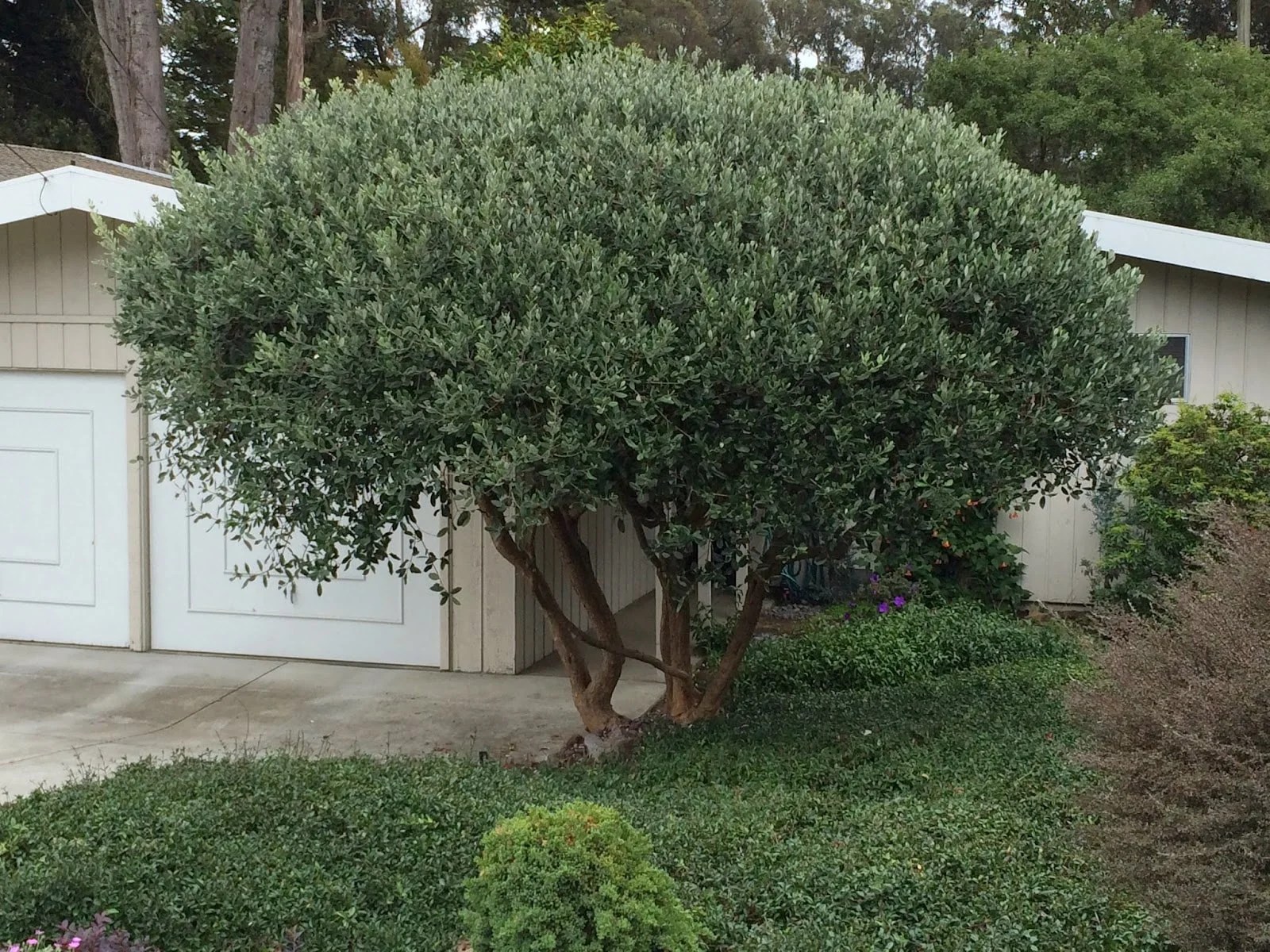
Pineapple Guava(straight ) – Not all pineapple guava have fancy or unique names like the mixture listed below . Those are all “ improved ” , specially cultivated , or grafted varieties . We grow square pineapple guava , which is what you see in the photos in this clause . They are self - fruitful , but can bear more prolifically with another cooperator around .
Coolidge – Self - prolific . Originally from Australia , but is now one of the most vernacular diverseness grown in California . This salmagundi faithfully bears fertile semi - wrinkled fruit . May bear yield earlier than other varieties . Grows well in cool coastal climate , and is also one of the well - suited yellow cattley guava for the Pacific Northwest ( including ‘ Edenvale Improved Coolidge ‘ )

Apollo – Self - fertile , and will pollinate other varieties . Provides a rich pineapple - flavored yield that ripen mid to late time of year . These fruit are extremely productive , but can be more prostrate to bruising . The flesh is described as well - developed but more or less granulose in texture .
gigantic – Produces the largest guava bush of them all – up to half a quid or bigger each ! The yield are said to be incredibly tasty , have a hint of strawberry , slightly game pulp , and ripen early to mid - season . It is technically ‘ ego - fruitful ’ , but will carry more when planted with another variety ( or employ a anthesis seedling ) to bring home the bacon cross - pollenation .
Pineapple Gem – Small , round yield of good to very practiced quality . Mid to late time of year ripen . Tree self - fruitful but bears heavier crops if pollenate by a 2nd flora of another variety . This salmagundi is best for warmer clime , and it does poorly under coolheaded , coastal weather condition .

Nikita – with child for small space or sizeable landscapes , with a more compact growth habit . produce large tasty yield , ripen earlier in the time of year than others . Like Mammoth , Nikita is part self - fruitful but will bear fruit more prolifically with another variety nearby .
Nazemetz – Originated in San Diego , meaning it accept well to red-hot atmospheric condition ! Produces large , pear - shape guava with excellent flavor and quality latterly in the season , October to December . Only partially self - fruitful . plant life with another variety for best crop .
Trask – A spin - off from Coolidge . Like Nazemetz , this is another variety that produce well in warm climates . Those two together make a great pollinating twosome for increase yield production . Bears medium to big quality yield early in the time of year , with thicker skin and more grainy textured mush than Coolidge .

For a more panoptic tilt of pineapple guava smorgasbord , click here .
And that is how to grow pineapple guava!
You may also enjoy :


