Lavandulaspp.
An herbaceous plant with many usance , sweetly perfumed lavender is an well-fixed - care plant that makes a gorgeous addition throughout the garden .
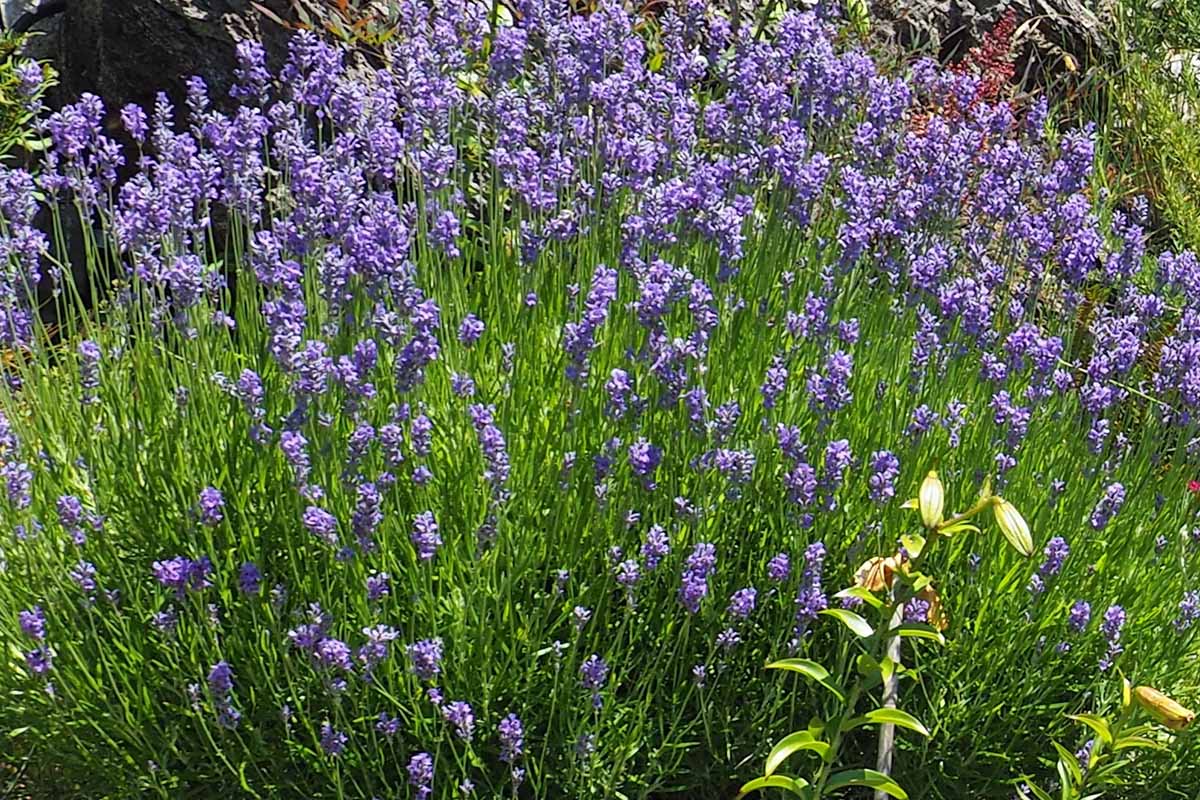
A lasting and honest performing artist in bed , edge , and container , the color and rash redolence is simply howling when set in drifts or used in a low roadblock or informal hedge .
And it ’s a must - have in a variety of themed gardens as well such as butterfly stroke , cottage , cutting , and rock gardens .

Photo by Lorna Kring.
We link to vendors to serve you find relevant product . If you grease one’s palms from one of our link , we may garner a commission .
The shrubby plant sport needle - similar parting of silvery - green and vertical flower spike heel in shade of mauve , pinkish , empurpled , and snowy that flower at unlike times over summer , depending on the type .
plebeian garden varieties include the conversant and beautifulEnglish , French , and Spanish speciesand the pop lavandin hybrid .

Photo by Lorna Kring.
extremely attractive to of import pollinators like bee , butterfly stroke , and hummingbirds , the strong of the essence oils also repel deer and rodents .
A fragrant addition to flowered arrangements , salmagundi , and sachets , the flavorful leaves and flowers are also used for culinary purposes and have a host of software in aromatherapy and traditional health practices .
Easy to cultivate , these robust plant are drouth tolerant , rise in lean dirt , and require small yearly sustenance . Plus , they offer fair to upright inhuman impedance as well , with a few varieties desirable for USDA Hardiness Zone 4 winters .

And contrary to the belief they wo n’t produce in region with high-pitched humidity , there are plenty of beautiful option desirable for muggy heat .
well grown , sweet scented , and with beautiful vividness , are you quick to essay these low upkeep herbs in your garden ? Then sit back , unwind , and read on for all the item on how to grow and worry for lavender !
Here ’s everything we ’ll cover :

What You’ll Learn
What Is Lavender?
Lavender plants belong to theLavandulagenus and the mint family , Lamiaceae , with just under 50 species and legion cultivar .
Shrubby perennial , they ’re aboriginal to mountainous region and rocky side of the Mediterranean catchment area , including northerly Africa , southern Europe , and the Levant .
The pop garden varieties grow to a stature of two to three feet and strain maturity in three years . They feature foliage that ’s narrow and needle - same or thinly toothed in tint of nerveless , silver green .

set forth in early summertime , tall upright spikes keep curl of flowers , with a few metal money boast pocket-sized , flagstone - corresponding bracts at the tip of the inflorescence . efflorescence color let in impregnable shades of blue , mauve , rosiness pink , purple , purplish - black , violet , and white .
A popular ornamental in numerous garden configurations , lavender ’s leaf and flower are full-bodied in essential oils , create a deep and sweetly herbal fragrance .
For the home base garden , the follow type are most often cultivate :

L. angustifoliais the familiar English species that blooms in late spring to midsummer , substantially become to downcast - humidness climates .
These extremely fragrant plants flower in shades of mauve , pink , imperial , and whitened . They ’re dauntless in Zones 5 to 10 , with a few cultivars like ‘ Hidcote ’ and ‘ Munstead ’ that are reliable down to Zone 4 .
L. dentatais known as Gallic lavender and has charming , flag - tip inflorescences in shades of mauve and purpleness that flower in mid- to late summer .

Gallic lavender has a deep , camphor - tinged bouquet and fares well in hot and humid climate . Hardy only in Zones 8 to 10 , plant ask shelter from hard frosts .
L. stoechasis the Spanish species , with distinctive flag - tipped , pineapple plant - shaped flowers in mysterious shades of rosy pinko , Battle of Magenta , and majestic purple .
works are softly fragrant with notes of eucalyptus . They blossom in former spring with a lighter midsummer rebloom if deadheaded . Frost - bid plants , these are the most tolerant of rut and humidity and they ’re unfearing in Zones 8 to 11 .

L.xintermediahybrids are called lavandins , a hybridization ofL. angustifoliaandL. latifolia . These are extremely fragrant , long - stemmed prime in nuance of royal dispirited , mauve , over-embellished , and blank that blossom in midsummer .
Lavandins are the flying ontogeny , and form large , handsome cumulus that retain their well looks over winter .
They also have better disease resistance , do well in humid setting , and are dusty tolerant . These plant are typically hardy in Zones 5 to 10 , with cultivar like ‘ Phenomenal ’ that are hardy to Zone 4 .

lavender are baffling and indestructible plants with good drouth resistance when install .
Requiring minuscule fertiliser , they do well in a variety of soil and require piddling care or attending aside from annual pruning and wintertime mulching .
Cultivation and History
A splendid ornamental , lavender has long been used as a culinary plant and herbal medicative , and in scent and toiletries .
In the Bible , lavender ( called nard or spikenard ) is refer in both the Old and New Testaments , include the Song of Solomon and the Gospel of John .
And in the ancient creation , the Greeks , Egyptians , Persians , and Romans used it as a antimicrobial , flavouring , medicinal , and perfume .

It ’s thought that it come to Britain with Roman soldier who used it in their baths and for its healing property . The name “ lavender ” come from the Romance word “ lavare , ” which think of “ to wash . ”
During the Black Plague , bundles of lavender were burnt for the distill smoke and European physicians used its essential oils on their gloves and in masks to ward off infection .
Lavender made its way to North America with early European settler .

Today it is still used in aromatherapy and alternative medicine for its many propose health benefits , include anti - seditious , antimicrobic , and antiviral properties as well as the treatment of disorders such as anxiousness , digestive problems , and insomnia .
Propagation
Propagation of lavender is achieved by sow seed or rooting stem cuttings .
Seeds should be begin indoors eight to 10 calendar week before the last frost date for your region .
Fill flatbed with a moist , sterilized starter soil and sow ejaculate over the surface , cover lightly with one - one-eighth of an inch of soil .
hatch the flats with a greenhouse dome and place in a gay window orunder grow lights .
When seedlings are three to four inches marvellous , transplant into single four- to six - inch pots .
After all danger of frost has pass and nightlong temperature are systematically above 50 ° F , harden off plants for a hebdomad with a few hour spent out of doors every day , step by step increasing until they can spend a full day outdoors , then transplantation into orotund container or garden beds .

Seedsshouldgerminate in 14 to 21 day at temperatures of 65 to 70 ° F , but they can take up to 90 day . A high temperature mat and grow lights can be utilitarian to encourage germination .
Hardwood stems are the effective for taking root word thinning and can be start any time from spring to autumn .
For all the details on this propagation method , touch to our guide onhow to rise lavender from cuttings .

How to Grow
Lavender requires a full Lord’s Day location in well - draining ground with a neutral to slightly alkaline pH of 6.5 to 8.0 .
Plant into containers or garden beds in spring , once overnight temperatures remain above 50 ° degree Fahrenheit .
Lavender can also be planted in fall , but select only larger plant with a robust tooth root system that can hold up freezing temperature .

These stout plants do well in a compass of soils from lean to prolific , but do better – with faster , more uniform ontogeny and more bloom – in enriched soil .
ready the planting site by mixing in a shovelful or two of aged compost or well - rot manure .
Add the same amount of landscape guts or pea plant crushed rock to improve drainage – lavender does not do well in too wet grime or standing water .

Mix insome bone repast for healthy root growth . And if your grease is on the acidic side , mix in one - one-half cup ofgarden lime to sweeten the grease .
dictated plants in office and plant life shallowly , placing the crown just below the soil line and space 12 to 18 inches aside . Spacing is important for proper air circulation , particularly in areas with high humidity .
tauten the grease lightly around the roots and water lightly .

A two - column inch mulch of pea plant gravel is efficient in summertime to keep gage at bay , and in winter provides insulation for the roots without trapping wet . Keep the crushed rock one to two inches off from the stalk to avoid crownwork and antecedent rot .
Until plants are well - established , water regularly with up to one in per week , allowing the top inch of soil to dry out between lacrimation .
Mature plant are reliably drought resistant , but for an abundance of flowers , water deeply every two to three week until flush buds form . After bud solidifying , piss weekly until prime harvest , then reduce watering again to every two to four weeks for the oddment of summer .

Lavender is also well - suit for container emergence .
Use container with decent drain hole . I like to sum up a layer of drainage materials such as pebble or broken pottery before plant .
Fill container with the same territory mix as describe above and plant with the crowns just below the airfoil .

Place in a positioning with full sun and body of water when the top in of grime is dry .
Growing Tips
toppingly humbled maintenance , the following tips can help ascertain robust growth and profuse flowers .
If you ’d like to use your lavender for purposes outside the garden , knowing when and how to harvest flower is of import too .
Harvesting
A delightful herb in compound butter , conserve , and jams or dried for herbal remedies , potpourri , or sachets , flowers should be collect when their essential oils are at their most intense .
When about half the flowers on the stems are open , harvesting in the morning after the dew has dry – this is when oils are at their peak and not yet circularize by hot sunshine .
Grab a modest handful of stems and trend so they are as long as possible , snipping just above the foliage . apply sporting , aseptic scissors or garden snips .
Gather stems into humble bundles and secure with an pliable ring or twine .
cling the bundles in a cool , dark , and dry fix with ample airwave circulation . Flowers will dry in three to four weeks .
When dry , trill or strip bloom from stems and store in a crank jarful with a loaded - meet lid .
Pruning and Maintenance
yearly pruning is of import because it slow down down woody bow ontogeny and forces plants to produce young leafage , maintaining a dense , mounded form .
But deciding when to prune depends on your wintertime weather .
In expanse with soft wintertime , pruning can be done after flowering or in autumn , slim plants by around one - third .
In areas with cold winters , autumn pruning should always be avoided . sweet wound on stems and the lovesome new growth that pruning prompts exit works susceptible to terms or die - off in freeze temperature .
Instead , crop in belated winter just as new emergence starts to emerge , thin out plant by up to a third . If you do n’t wish to glean the peak , prune lightly after flowering , removing flower stems and an inch or two of foliage to tidy plants .
For mature plant with woody stem , after flowering , trim light throughout the turn time of year to encourage more foliage .
To successfully reshape overgrown plant life with long , woody halt , our guide on how to prune lavenderhas all the restore detail .
Lavender ask little in the way of fertilizer and produce more oils – and redolence – in lean , reasonably dry condition .
To feed plants , top - dress in early spring with a two - inch layer of compost or aged manure propagate over the root zona . make a two - inch , compost - free leash around the shank to avoid stalk and crown rot .
That ’s all the plant food garden plants require , but container plant benefit from an applications programme of a balanced 10 - 10 - 10 ( NPK ) fertiliser after flowering .
Provide plants with wintertime security as needed .
Mulch with a two- to four - column inch bed of pea gravel to protect roots .
If needed in very frigid conditions or drying wintertime winds , protect plants with a cover of burlap , floating quarrel cover , pine bough , or chaff . Remove cover in former wintertime .
Mulch container plants , then tuck into a sheltered spot and cover if necessitate .
In very cold conditions , move containers into an unwarmed garage or shed but do n’t tolerate the soil to dry out out altogether . plant are dormant in wintertime but still require a small sip of H2O about once every calendar month to abide viable .
container can also be bring indoors in wintertime , but because they ’re hibernating , they must be place in a cool way with temperatures of 45 to 60 ° F .
Place in a positioning with vivid , indirect light and weewee lightly – but do n’t wait much in the way of growth while plant are abeyant .
Move outdoors once warm temperature come back .
Species, Hybrids, and Cultivars to Select
There ’s a slap-up miscellany of species and cross uncommitted online and in garden centers . Here ’s a pocket-sized excerpt of recommended change to get started .
French
Gallic lavender , L. dentata , also call fringed lavender , has a cherubic herbal bouquet with note of cleansing camphor . These grow attractive , deep purple flower topple with rosy - mauve flags and feature lovely toothed foliage in silvery salvia green .
Flowering from July through August , plants have an upright growth use and reach a acme of two to three feet .
An eye - catching – and nose - detection ! – flora for courtyard , groundwork , nerve pathway , and terrace , the French change also makes a spectacular addition to magniloquent urn .
Gallic Lavender
A upright selection for area with heat and humidity , these plants are dauntless in Zones 5 to 9 .
Container plant areavailable at Nature Hills Nursery .
Munstead
A beautifulL. angustifoliahybrid , ‘ Munstead ’ is a compact plant life with intensely fragrant lilac - blue bloom and minute , gray - fleeceable leaves .
Flowering in previous bound and former summertime , these pretty and durable English - multifariousness works are stunning as low barriers or in bottom , borders , and containers , as well as in butterfly stroke , bungalow , cutting , grayback , and rock garden .
‘ Munstead ’
Plants grow 18 to 24 inches marvelous with a similar breadth and are stalwart in zone 4 to 9 .
Container plants areavailable at Burpee .
Phenomenal
A lavandin loanblend , ‘ Phenomenal ’ ( aka ‘ Niko ’ ) is extremely aromatic with impressively long flowers on grandiloquent stems that are perfect for cutting . The bloom are a deep regal - bluish , and the phonograph needle - like foliage is medium green with gray undersides .
This cultivar realize a beautiful and fragrant focal point in beds , container , and foundation , or use it to append pops of color throughout city , courtyard , and cottage gardens .
flower in early to midsummer , this cultivar produces bushy , upright growth of 24 to 36 column inch .
‘ Phenomenal ’
These plants have good insensate , heat , and humidity allowance , and they ’re hardy in Zones 5 to 9 .
Sensational
Very unique , ‘ Sensational ’ ( aka ‘ Tesseract ’ ) is a cross between the English and Portuguese ( L. latifolia ) species , with large , bold flower of deep purple and distinctively all-encompassing , silver leave of absence .
Sweetly fragrant , the upright , mounding growth is telling in beds , borders , and foundations or pot up on balconies and terrace . It flower extravagantly in other summer and reblooms lightly through tardy summer with deadheading .
‘ Sensational ’
‘ sensory ’ plants reach a height of 24 to 30 inches and are hardy in Zones 5 to 9 .
You canfind container plants at Nature Hills Nursery .
Spanish
Spanish lavender is note for its fragrant and plump flower of bass magenta or majestic purpleness tip with lilac flags , and silvery , sage green leafage .
The compact , mounding plants grow 18 to 36 inch tall and flower prolifically in late springiness and other summer . They will rebloom lightly throughout summer after deadheading .
This specie make an excellent pick as a scummy roadblock or mass in bottom , borders , and containers , or it ’s lovely boast in butterfly stroke , cottage , and rock gardens .
Spanish Lavender
Well suited for areas with high heat and humidity , these plants are hardy in Zones 7 to 9 .
Container plantscan be purchased at Home Depot .
need More Options ?
Be sure to chink out our11 of the Best Lavender Varieties for Hot Climatesor11 of the Best Cold - Hardy Lavender Varieties for Cooler Climatesdepending on your growing needs .
Managing Pests and Disease
Lavender is typically easily cultivate and unfearing , but there are a few publication to watch for .
aphid are sapsuckersthat can roll up on stems . They do n’t usually cause fatal damage , but they may scatter mosaic computer virus , which is calamitous .
Remove aphid with a strong nebulizer of water fromyour garden hosiery .
Spittlebugs also like lavender , and while unattractive , they do n’t make a lot of damage . Remove spittle insect with a good blast of water from the hosepipe .
Whiteflies are also sapsuckers . Extensivedamage from whitefliesis rare but they are annoying pests and hard to get free of .
practice a natural control condition method acting likeencouraging or releasing ladybugsor atomizer plants with neem oil to see whitefly .
Alfalfa mosaic virus is spread by insects like aphids and causes yellow , curled leaves . Infected plants must be take out and destroyed .
Soilborne fungal infections like crown and base guff can cause plant collapse .
To avoid solution and crown rot , do n’t overwater , works in a full sun fix , ensure adequate air circulation , and keep organic mulches away from the stem turn and crown country .
Quick Reference Growing Guide
Your Turn to Grow!
Lavender is beautiful , low-down - maintenance , and gentle to grow when you recognise how to wish for it .
commemorate that the Gallic and Spanish types are best for areas with gamey humidness , the English unity are better suited for frigid winters , and the lavandins thrive in middling much any climate !
And for more information onherbs for your garden , add these guide to your interpretation list next :
Photos by Lorna Kring © Ask the Experts , LLC . ALL RIGHTS RESERVED.See our TOSfor more details . Originally published February 2nd , 2019 . Last updated : April 10th , 2023 . Product photos via Burpee , Home Depot , and Nature Hills Nursery . Uncredited photos : Shutterstock . Revised and expanded from an original article by Casea Peterson .
About
Lorna Kring
