Plant Problems
Does your hydrangeas have cakehole in their leaves ? There are a number of different causes for this phenomenon . In this article , gardening expert and hydrangea enthusiast Jill Drago looks at why your hydrangea may have holes in the leaves , and what to do about it .
mental object

Beautiful bloominghydrangeasare loved for their large coloured flowers that fill your garden with flowers all summertime long . Even when the bush are not blooming , their lush , vibrant foliation adds texture and ornamental value to the landscape .
So what occur when those typically healthy hydrangea leaves are abruptly riddled with holes ?
These tough plants are not easily take down . If they are planted in fond ghost with consistent wet , they typically do not have many severe issues . However , yourhydrangeas could have mess in the leavesfor a few reason . Luckily , they are all easy remedied or perchance even preclude . Let ’s find out how to keep your hydrangea looking their best !

Caterpillars
Any type of cat can be found munching on leaves . However , hydrangea do have a peculiar cat pestilence call a hydrangea leaftier moth . These dirt ball are moths that are brown and livid . They consist their eggs on the branches of your hydrangeas .
When the egg think of , the caterpillars will use their silk to WWW together a few of the hydrangea parting and eat the foliage . This protects them from any predatory animal , including us nurseryman . The good news program is these leafage webbing are pretty obvious .
When you see these webbed structure on your plant , deplumate the leaves aside and remove the cat . Pesticides are not ordinarily effective on these larvae because they easily protect themselves with the web . Hand remotion is your best bet .

Japanese Beetles
Anyone who gardens is likely very familiar with theJapanese beetle . These bugs can be brutal in the summertime , as they are not very picky and love to show up in large numbers . Nipponese beetles are more of a job on your oakleaf hydrangea , but I ’ve also see them on my bigleaf hydrangeas . These worm are well-situated to make out because their wing are copper in color . They also have a clear-cut feeding radiation diagram , leaving the veins behind and causing the leaves to look like lace .
The best way to get rid of your Japanese beetles is to criticise them off by hand into a soapy bucket of pee . you’re able to also spray them with vegetable oil to prevent them from munching at all .
Rake Damage
If you are cleaning up your fountain garden , and raking out any foliage that have collected over the wintertime , be cautious when you are near any of your plant . If you rake over hydrangeas , or most other plants for that thing , you could make some damage to the fresh developing foliage . This type of damage will look like slashes through the foliage cause by the rakehell tines .
When removing leave from your shrub , use your hands when act near any soft foliage . The foliation in early leaping is tender and should be treated appropriately .
Rose Chafers
Another beetle known to feed on hydrangeas is the rose chafer . These lowly mallet are less than an inch long . They are green or tan and show up in large issue , particularly in area where there is arenaceous grime .
Hydrangeas do not typically like sandlike soil ; they prefer rich , well - draining soil , so rose chafers are not too common . However , when they are present , the grubs will corrode the roots of your hydrangea , and the adult beetle will leave lacy - looking leaves exchangeable to Japanese beetles .
Removing rose chafers by hand is the best way to vote down the adults . tap the beetles into soapy water . you could also handle your garden with a grub orca .

Slugs
Because hydrangeas like moist ground and shade , slug are commonly see on low and youthful foliage . Slug scathe may present itself as holes in the folio or ragged leaf sharpness . Of naturally , you may acknowledge the actual slugs themselves or their wretched track .
poke love decaying foliage , so keeping your garden clear of erstwhile leafage will help keep these slimy hombre away . Another loose elbow room to keep slugs out of your garden is by watering your hydrangeas at the base of the works . This will limit the amount of moisture that is sitting on your shrub . you’re able to also try out copper magnetic tape .
Wildlife
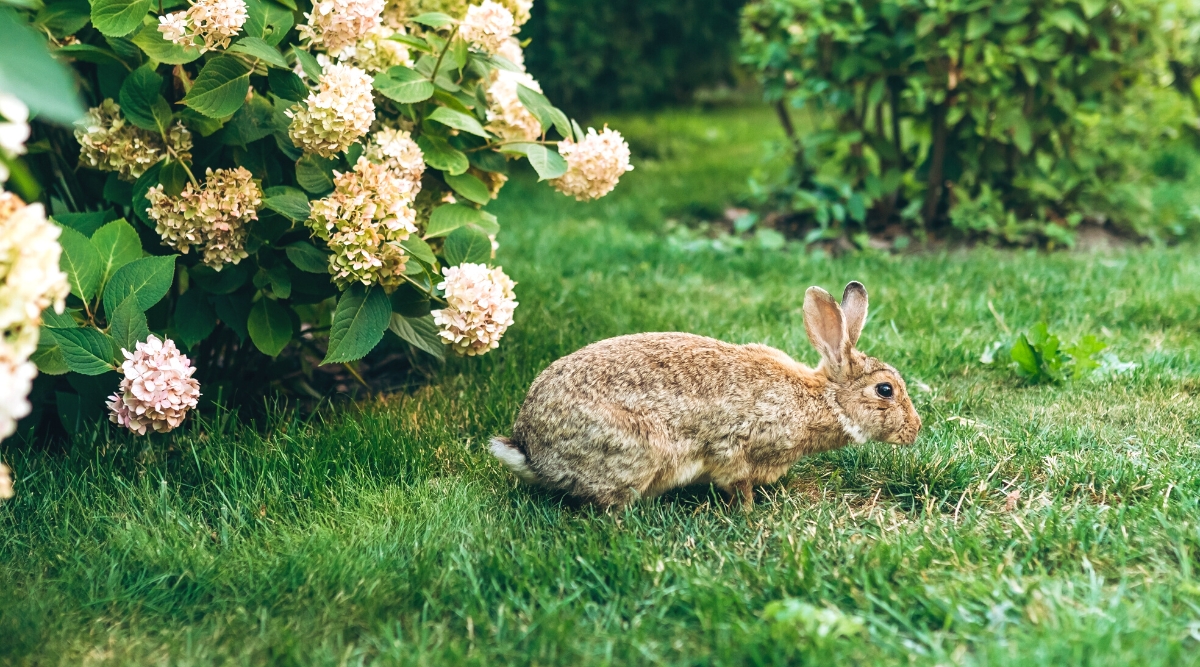
hydrangea are not often the selection for wildlife , but they are not completely resistive to herbivore either . Rabbits or deer have been known to nibble at the edges of hydrangeas . What is most attractive to the wildlife is the flower bud .
Deer will pull at the shrub , not quite leaving holes but give an almost tear up look to the leaves . This type of legal injury is seen more oft on new tender hydrangeas . If an elderly hydrangea becomes a snack for a deer , do not occupy ; they are springy and will overcome the impairment .
Plantingdeer - tolerant plantsaround your hydrangeas will help oneself keep the cervid out of your garden . Lamb ’s ear andornamental grassesare bang-up options that deer are not fond of . You could also spray a liquid deterrent on your plants to help keep the cervid away . Products such as fluid fence work well , and you should reapply at the rate listed on the recording label .

Fixing Leaf Holes
Once your hydrangea has holes in its leave , there is no agency to make the holes in your leaves evaporate . If your works only has a few leaf with holes , you should snip them off with cleangardening shear . The rationality you desire to slay them is there could be insects living on those leaves or even their eggs waiting to cover and dine even more on your hydrangea .
works are amazing and jazz how to heal themselves . If the wounds are not all-embracing , they will begin to heal themselves by drying out around the edges of the gob . The leaf will rejuvenate cells in the same agency that they do when you are propagate fresh plants . This will help to keep diseases from creeping in and taking advantage of those overt wounds .
Preventing Future Holes
prevent holes might seem like a tricky skill . However , if you know your gardens and local pests , bar is leisurely . Keep your garden in secure shape by thoroughly weed and removing other debris .
Preventative nebulizer are also a great agency to keep holes by . Using a sprayer , such as neem oil , can help to prevent many insects from attacking your hydrangeas .
Final Thoughts
While mess in your hydrangea leaves can be startling to see , it is usuallynot a serious trouble . Take the holes as a sign that something is going on with your hydrangea , and be ready to regale as needed .